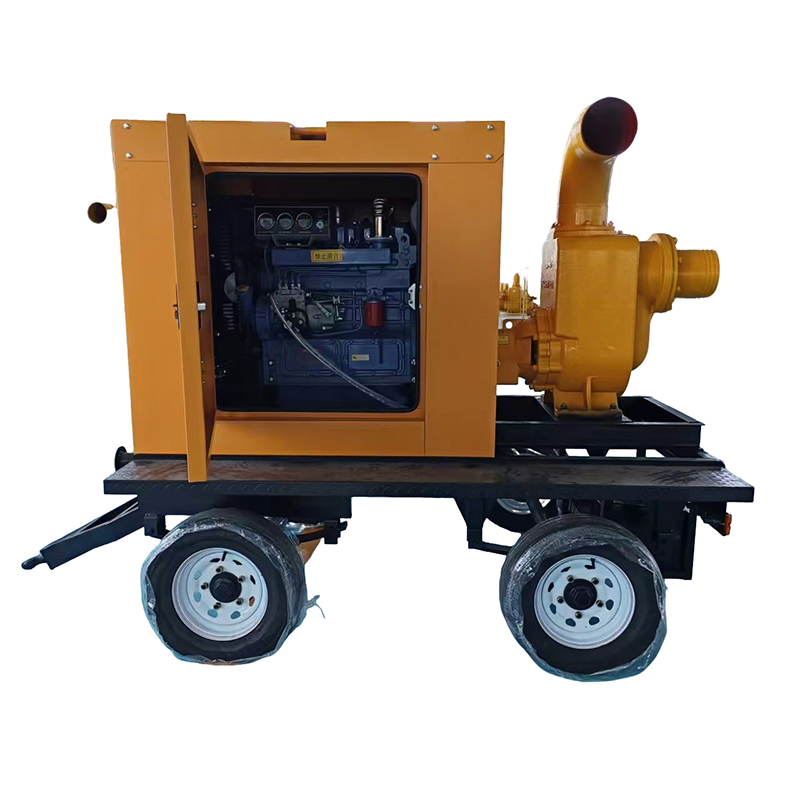
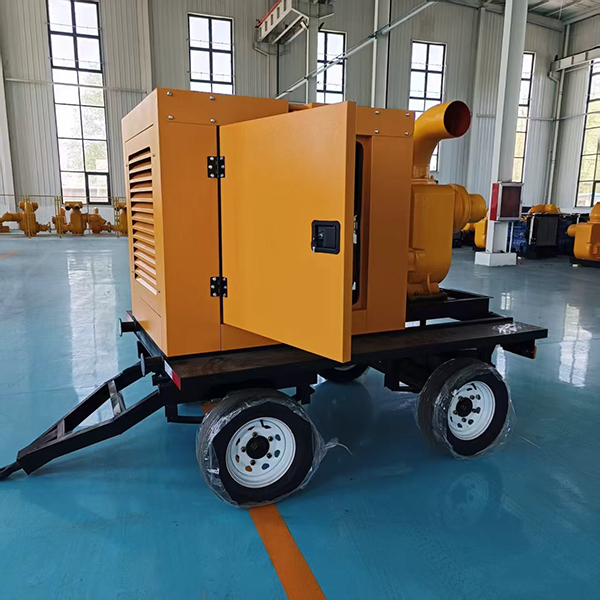
Advantage of self-priming pump
Automatic Self-Priming, Easy Operation: Adopting an efficient self-priming structure, it does not require manual priming after starting, and can automatically complete the water absorption and conveying process, greatly saving manpower and avoiding affecting work efficiency due to improper priming, especially suitable for scenarios without water diversion conditions.
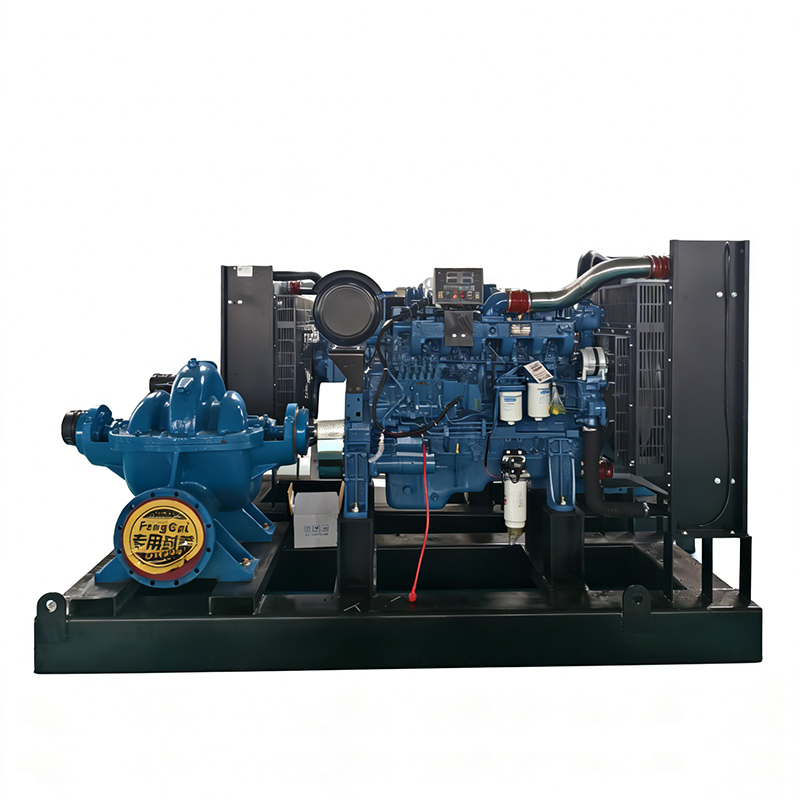
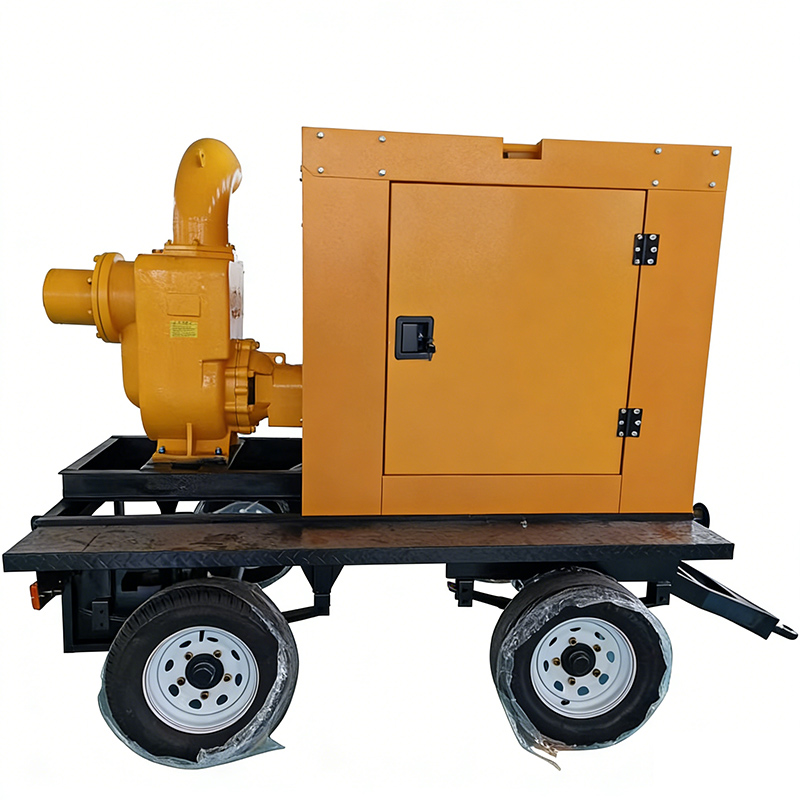
The self-priming pump is an efficient fluid conveying equipment with automatic water absorption and no need for additional priming. It adopts precise matching of high-quality pump body and power system, and relies on the self-priming structure design at the core. After starting, it can quickly form negative pressure and automatically suck in the medium, without manual pre-priming, which greatly simplifies the operation process. The equipment has a compact overall structure, small volume, stable operation, low noise, excellent sealing performance, strong corrosion resistance and wear resistance. It can transport various media such as clean water, light sewage and muddy water, adapting to different working conditions. It is easy to operate and maintain, without complex installation and commissioning, and is widely used in industrial, agricultural, municipal, environmental protection and other fields. It is a practical and economical fluid conveying solution.
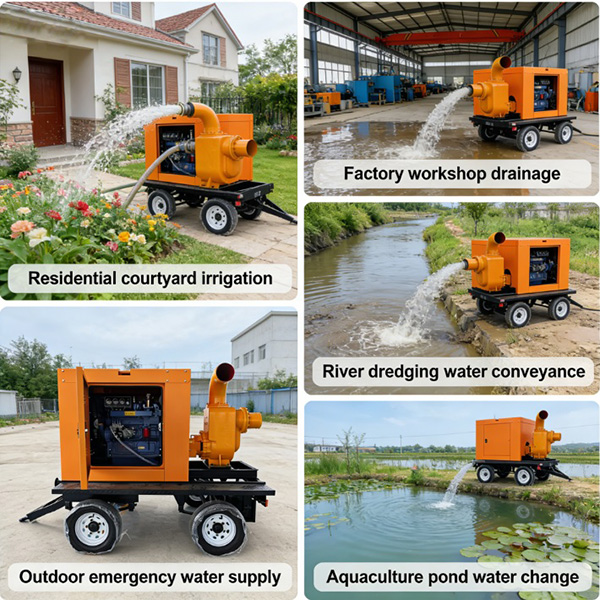
Application of self-priming pump,
Agricultural Irrigation Scenarios: Irrigation water supply for agricultural areas such as farmland, orchards and vegetable bases. It can automatically absorb water from wells, ponds and rivers without manual water diversion, adapting to plots in remote areas without power water diversion conditions.
Municipal and Civil Scenarios: Household water supply, courtyard irrigation, community greening watering, as well as waterlogging discharge in low-lying urban areas and sewage conveying in small sewage treatment stations, with simple operation, adapting to civil and small municipal needs.
Industrial Scenarios: Conveying of production wastewater and cooling water in small factories and workshops, discharge of accumulated water in warehouses and factories, and short-distance conveying of slightly corrosive fluids (such as small chemical wastewater).
Environmental Protection Scenarios: Auxiliary water conveyance for dredging of small rivers and ponds, temporary sewage transfer in sewage treatment stations, and centralized conveyance of rural domestic sewage, helping environmental protection governance.
Emergency Scenarios: Emergency discharge of small floods, accumulated water in factories/families, temporary outdoor water supply (such as temporary construction site water use, campsite water supply), quick start without complex preparation.
Other Scenarios: Water change and aeration water supply for aquaculture ponds, waterlogging drainage in small docks and warehouses, and domestic water transportation in remote areas, adapting to various light-load fluid conveying needs.
Why Choose Huamin Power?
1. HUAMIN Power engaged in the generator area around 15 years, dedicated to providing high-quality generators to our customers. we have much experience in manufacturing water pump sets and generator sets. we guarantee reliable pump and generators that eliminate any worries during use.
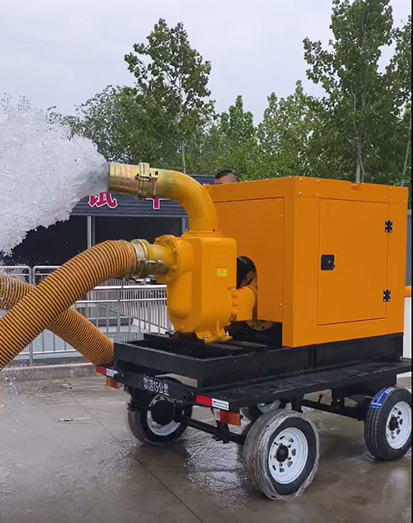
2. Each pump will be tested strictly before shipment.
4. Thanks to the most complete power equipment industry chain in Weifang, our factory has gained significant advantages in production efficiency and cost control.
FAQ:
Q:How to choose a proper diesel water pump?
A: Assess the required flow rate and head according to your application. Consider the fluid type. Pick a pump that can meet current and future demands. Also, check installation space and pipeline compatibility.
Q: Which factors to consider for pump size?
A: Pump size relates to flow rate, head, and inlet/outlet caliber. Larger pumps handle higher flow and head. The caliber should match pipes for smooth flow and fit the installation space.
Q: What if the flow rate is lower than expected?
A: Check for debris blockage, impeller damage, or air leaks. Clean the pump, inspect the impeller, and ensure air tight connections. Verify the running speed.
Q: Can the pump operate at a head higher than rated?
A: Technically yes, but it will be inefficient and may damage the pump. It reduces flow rate, stresses components, and over works the engine. Choose a pump with a suit- able rated head.
Q: What if the caliber is too small?
A: It restricts flow, increases pressure losses, and reduces flow rate. The pump may overheat, consume more fuel, and cause erosion and cavitation.
Q: What are the consequences of wrong powered engines?
A: insufficient power leads to poor performance and stalling. excessive power wastes fuel and accelerates pump wear.
Q: What are the main maintenance items?
A: Check and refill fuel, oil and coolant. Clean the air filter element. Inspect the impeller and belt for leaks. Flush the pump after pumping sewage.